

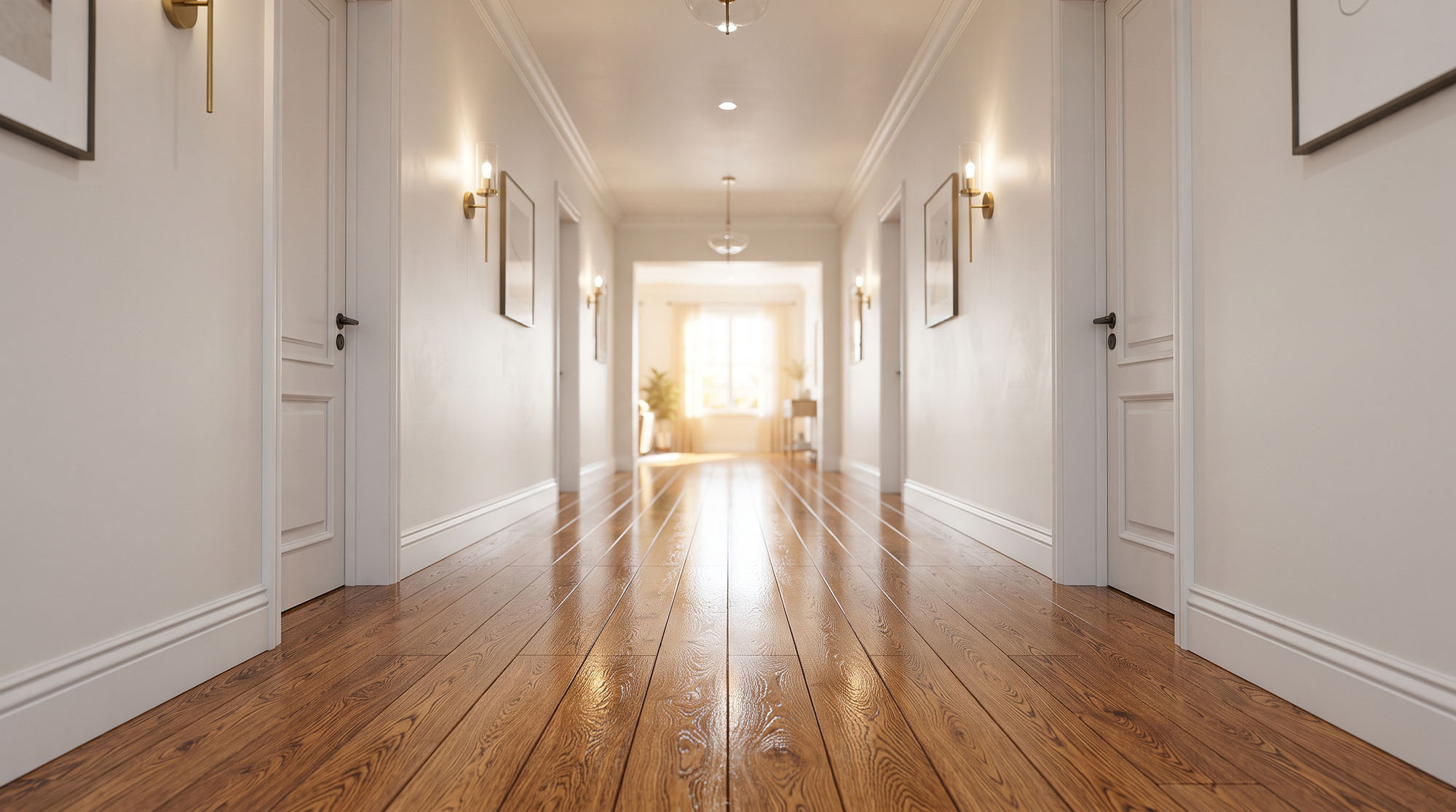
When you update the flooring in your home, the way one room connects to another can make a noticeable difference. A beautiful hardwood floor may look great on its own, but the details around doorways, hallways, and adjoining surfaces help create a finished appearance. Planning these transitions early can make your flooring project look more intentional and feel more comfortable to use.
As you review hardwood flooring options, consider how the boards will connect with the other rooms in your home. You can also explore area rugs for complementary spaces if you want to introduce a different texture without disrupting the overall design.
Decide How the Flooring Should Flow
One of the first decisions is whether you want the same hardwood flooring to continue through several connected rooms. Using one flooring style across adjoining spaces can create a sense of continuity and help your home feel more open. This approach may work particularly well when rooms connect through wide doorways or share a hallway.
However, carrying the same flooring throughout every area is not always necessary or practical. Different rooms may have different requirements, and existing flooring may need to remain in place. In these situations, a carefully planned transition can make the change look deliberate rather than accidental.
Before installation begins, walk through the rooms and identify every doorway and connection point. This gives you an opportunity to discuss the layout with your installer before decisions become difficult to change.
Consider Differences in Floor Height
Flooring materials can have different thicknesses, and the surfaces underneath them may not be at the same level. For example, hardwood may meet tile, carpet, or another flooring material at a doorway. These differences need to be considered so the transition is functional and comfortable to walk across.
The appropriate solution depends on the height difference, the materials involved, and the manufacturer's installation requirements. A transition strip or other suitable profile may help create a cleaner connection. In some cases, additional preparation may be needed to address the difference in floor height.
Avoid choosing a transition product based on appearance alone. It should suit the materials and installation conditions while helping reduce abrupt edges that could catch footwear or create a tripping concern.
Plan Board Direction and Doorways
The direction of hardwood boards affects how the floor appears when you move from one room to another. Continuing the same direction through connected spaces can create a consistent visual line, although the layout of the rooms and the installation requirements may influence the final decision.
Doorways deserve particular attention because they frame the point where two spaces meet. Think about where the transition will sit in relation to the door, the room boundaries, and any existing flooring. Your installer can help determine a suitable placement that works with the home's layout.
Coordinate Different Flooring Materials
If hardwood meets tile or carpet, consider both the color relationship and the physical connection. The materials do not need to match exactly, but their tones and finishes should work together. For example, a warm wood tone may pair well with complementary neutral flooring, while a more pronounced contrast can help define separate areas.
Think about practical use as well. Rooms exposed to moisture may require different flooring considerations than living areas. Choose materials appropriate for each space and follow the manufacturer's guidance for installation and maintenance.
Discuss Transitions Before Installation
Planning ahead gives you more control over the final result. Ask your installer how each doorway will be finished, whether height differences need attention, and which transition materials are appropriate. It is also helpful to discuss how the new flooring will meet existing surfaces that you do not plan to replace.
Create a More Connected Home
Thoughtful transitions help your flooring feel cohesive while allowing each room to serve its purpose. By considering layout, floor height, board direction, and material compatibility, you can make informed decisions before installation starts.
Contact Paramount Rug Company to explore hardwood flooring options for your home in Brockton, Bridgewater, Mansfield, Cape Cod, or Franklin.


