

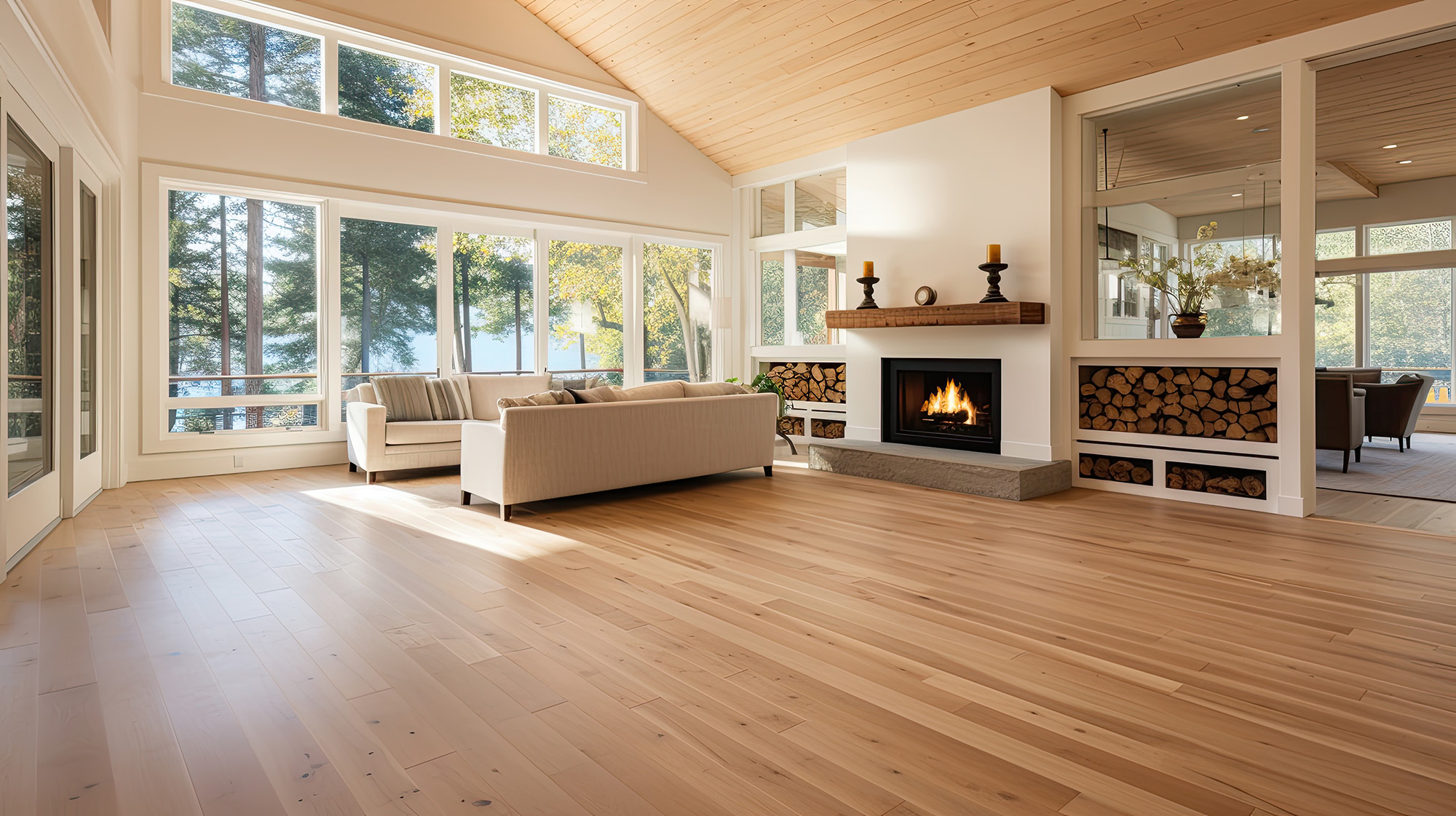
A well designed home should feel connected from one room to the next. While furniture, wall colors, and décor all contribute to this feeling, flooring can have an even greater influence on the overall flow of an interior. For homeowners in Brockton, Bridgewater, Mansfield, Cape Cod, and Franklin, hardwood flooring offers a versatile foundation for creating a consistent look throughout the home.
Because wood flooring can complement a wide range of decorating styles, it is often an excellent choice for homeowners who want different rooms to feel connected without making every space look exactly the same.
Start With a Consistent Flooring Foundation
One of the easiest ways to create continuity is by using the same hardwood flooring throughout connected areas. This approach works particularly well in open concept homes where the kitchen, dining area, and living room share one larger space.
A consistent floor allows the eye to move naturally between rooms. Instead of creating visual breaks, the flooring helps the entire area feel like one thoughtfully designed environment.
This does not mean every room needs to look identical. Furniture, lighting, and accessories can still create distinct personalities within each space.
Coordinate Wood Tones With the Interior
The tone of hardwood flooring can influence the atmosphere of the entire home. Light wood can create a bright and relaxed appearance, while medium tones offer flexibility with both traditional and contemporary décor.
Darker hardwood can bring depth and sophistication to larger rooms, particularly when paired with lighter walls and furnishings.
When selecting a floor, consider existing cabinetry, furniture, doors, and trim. Coordinating these elements can create a more polished result and prevent the interior from feeling visually disconnected.
Use Area Rugs to Create Individual Spaces
While consistent hardwood flooring helps connect rooms, area rugs can give each space its own identity. A rug beneath a living room seating arrangement can establish a comfortable gathering area, while a different design can define a dining space.
The key is to choose rugs that complement rather than compete with one another. Repeating similar colors, textures, or design elements throughout the home can create subtle connections between rooms.
This approach works especially well in open layouts where furniture alone may not clearly separate different functional areas.
Consider Natural Light
Lighting can significantly affect how hardwood flooring appears. A wood tone that looks warm in a showroom may appear different under the natural light entering a home.
Before making a decision, consider which rooms receive the most sunlight and how the flooring will look at different times of day.
Lighter hardwood can help brighten rooms with limited natural light, while richer tones can add warmth to spaces with plenty of windows.
Keep Transitions Simple
Homes with different flooring materials in separate rooms need carefully planned transitions. If possible, keeping hardwood flooring consistent across connected spaces can reduce visual interruptions.
Where another flooring material is necessary, a clean and intentional transition can help the rooms feel connected rather than mismatched.
Thoughtful transitions are particularly important in areas that connect kitchens, hallways, and living spaces.
Hardwood flooring can serve as a unifying element throughout a home. By coordinating wood tones, considering natural light, and using area rugs to define individual spaces, homeowners can create interiors that feel connected while still reflecting personal style.
Contact Paramount Rug Company
Ready to create a more cohesive flooring design for a home in Brockton, Bridgewater, Mansfield, Cape Cod, or Franklin? Contact Paramount Rug Company for help exploring hardwood flooring and complementary design options.


